


Buenos días familia!
Uno de los viajes más interesantes y apasionantes que he hecho fue el otoño pasado a la India, disfrutamos 10 días por el famoso Triángulo de oro ( Jaipur-Agra-Delhi) y Vanarasi.

Viajar es para mí es mucho más que ocio, es cultura en más amplio espectro : historia, geografía, religión, costumbres, gastronomía, literatura... Una vez allí, que te embriagas del aroma de la India entiendes cómo ciertos tabúes o tradiciones cobran de alguna forma sentido. Y eso fue lo que me ocurrió a mí en la India tras leer el libro "Bueno para comer" de Marvin Harris.

El mayor tabú, gastronómicamente hablando de la India, es la veneración de los hinduistas a las vacas. Están en las calles, en las carreteras, en las casas, en el campo.... pasean sin ningún tipo de censura, incluso ocasionando algún que otro accidente de tráfico.

¿ Por qué la vaca? me pregunté, de todos los animales que existen en el mundo ¿ Por qué es la vaca tan importante para que la consideren sagrada?
¿ Por qué si la carne de vacuno es muy rica en nutrientes está prohibida conociendo las deficiencias nutricionales y la malnutrición de gran parte de la población?

¿ Es sólo por una cuestión meramente religiosa?
¿Porque el vehículo de Shiva es Nandi (una res vacuna) y Krishna otra de sus divinidades tenía orígenes ganaderas?
 |
| Krishna |
 |
| Shiva |
¿ Es la religión tan ajena a las necesidades nutricionales de sus fieles?
Seguro a más de uno, se le han ocurrido estas preguntas, como a mí. Pero pocos nos hemos percatado del trasfondo de esa prohibición.
De hecho lo que hoy parece el símbolo más sagrado de una religión, no lo fue en el pasado...
.JPG)
Los Vedas pueblo ganadero y agricultor que ocupaba la mayor parte del territorio Indio y que seguían los dictados de la casta Brahmánica ( casta sacerdotal hinduista), solían hacer sacrificios de animales incluyendo los de las vacas para honrar a sus Dioses y festejar banquetes.
Pero esta tradición fue poco a poco desapareciendo hasta llegar a su prohibición. ¿Porqué? Pues la respuesta tiene mucho más trasfondo social que religioso.
La población creció rápidamente y el sistema de pastoreo que sustentaban evolucionó a un sistema agrícola y a la explotación lechera del ganado.
No había suficientes vacas que alimentaran a toda la población ( ¡las vacas tienen un periodo de gestación de casi 300 días!).
Se limitó el consumo de carne en favor del ordeño y la siembra de cereales, legumbres y hortalizas para alimentar a todo la población.
El hambre, las guerras.... De esta terrible y complicada situación socioeconómica de la India, nació el Budismo, la primera religión en el mundo que se posicionó en contra de la matanza de animales.
.JPG)
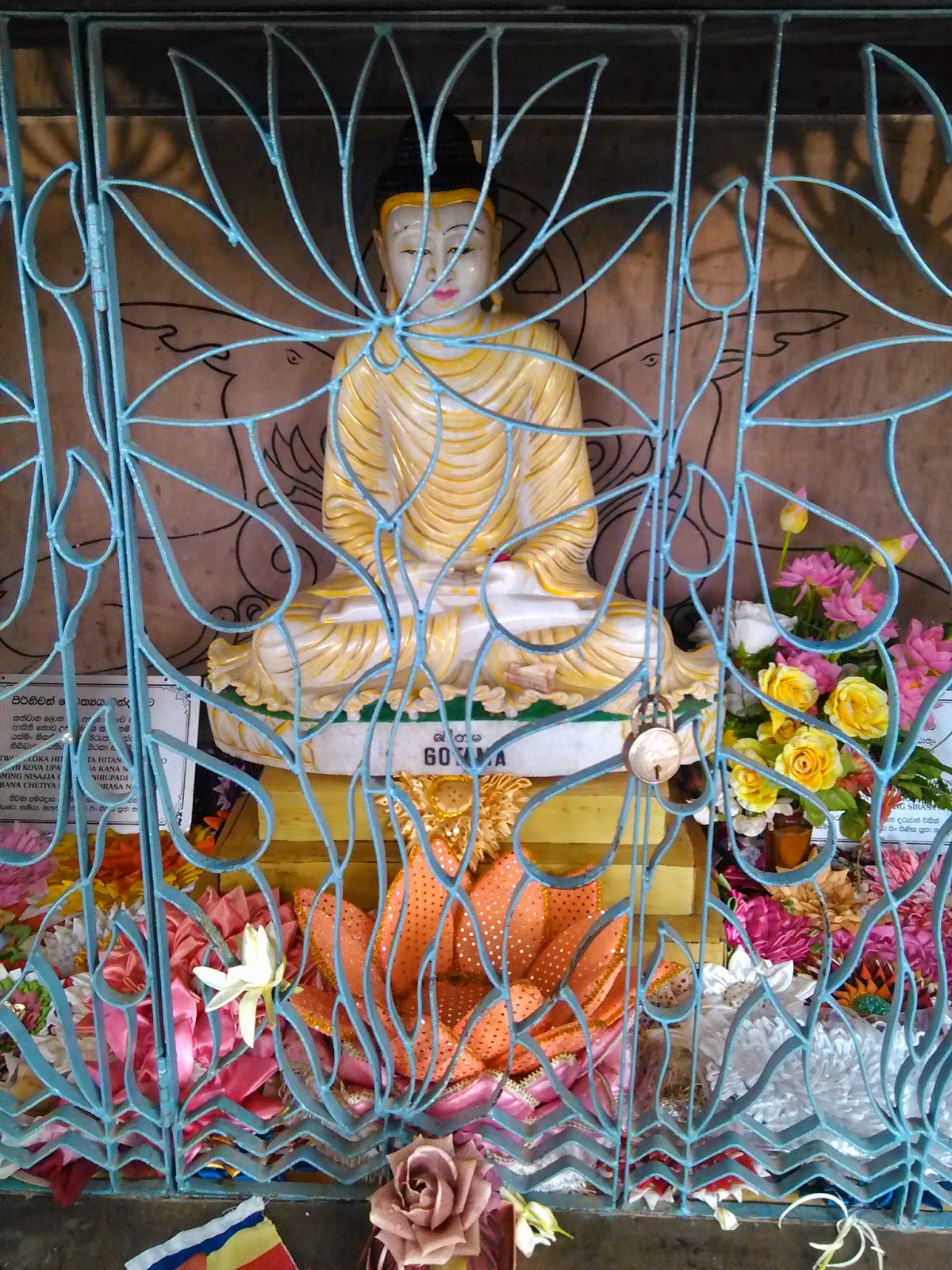
Y poco a poco esta limitación se transformó en prohibición al aumentar la densidad de población, el hambre....

Y me diréis, vale Isabel, los bueyes tenían una misión importante en la agricultura, y era más valioso para cultivo del cereal y la legumbre, aportando más alimento para más gente que si se consumiera el buey. ¿ Pero hoy en día que existen tractores y otras máquinas cosechadoras?
Hoy en día, por desgracia, la India es un país con muchas desigualdades económicas, y sería imposible para un pequeño agricultor rentabilizar con su pequeña tierra el valor económico del tractor y de su mantenimiento. Por eso, siguen utilizando las reses vacunas.
¿ Verdad que no suena tan descabellado ahora esta prohibición?
Aquí os dejo algunas fotos de este gran viaje, espero que las disfrutéis tanto como yo.
 |
| Encantadores de serpientes ( Jaipur) |
 |
| Palacio de los Vientos ( Jaipur) |
 |
| Telar y tienda de sedas |
 |
| Rio Ganges en Vanarasi ( Cremaciones) |
 |
| Palacio -Fortaleza Amber ( Jaipur) |
Hasta el próximo lunes!
PD: Os recomiendo leer este maravilloso libro que leí mientras hacía la carrera de Nutrición, y que cada vez me gusta más releer. ( En el se ha basado este post)

Good morning family!
One of the most interesting and exciting trips I have ever done was last autumn to India. We enjoyed 10 days traveling around the famous Golden Triangle (Delhi-Agra-Jaipur) and Vanarasi.
Traveling for me is much more than entertainment, it is culture in a wide spectrum: history, geography, religion, customs, cuisine, literature... Once there, you can smell the aroma of the India and you understand how certain taboos and traditions become true. And that's what happened to me in India after reading the book "Good to eat" writeen by Marvin Harris.
The biggest taboo, gastronomically speaking of India, is the worship of the Hindu cows. The animals are on the streets, on the roads, inside the houses... walking without any censorship, even causing traffic accidents.
Why the cow? I wondered from all animals in the world why it is the cow so important to be sacred?
Why, if beef is rich in nutrients, it is prohibited to eat cow knowing the nutritional deficiencies and malnutrition much of the population?
Is it just a purely religious question?
Because the vehicle of Shiva is Nandi (a vaccine res) and Krishna (another divinity) has farming origins?
|
| Krishna |
|
| Shiva |
Is the religion so alienated to the nutritional needs of their devoted?
Sure more than one have asked themselves these questions, like me. But few we have become aware of the background of the ban.
In fact, what now seems the most sacred symbol of a religion, it was not that way in the past...
The Vedas, livestock and agricultural people who occupied most of the Indian territory and followed the dictates of the Brahmin caste (Hindu priestly caste), they used to sacrifice animals including cows to honor their gods and celebrate banquets.
But this tradition was slowly fading away until its prohibition. Why was that? The answer has much more social than religious background.
Population grew rapidly and the sheepherding system that was supported evolved to an agricultural system and a dairy farm livestock.
There were not enough cown to feed the entire population (cows have a gestation period of about 300 days!).
Meat consumption was limited in favor of milking the animals and cereal and vegetables sowings to feed the entire population.
Hunger, wars... From this terrible and complicated socio-economic situation in India was born Buddhism, the first religion in the world that is positioned against the killing of animals.
And gradually this limitation became ban with the increasing density of population and hunger.
Advantages of not eating beef
Advantages of not eating beef
- More cattle dedicated to plow and agriculture (oxen came from beef).
- Feces serve as fertilizer.
- Feces served in burning for cooking.
- Milk and dairy products
I know what are you thinking, okay Isabel, oxen have an important role in agriculture, and it was more valuable for sowing cereal and legume, providing more food for more people than if the ox was consumed as meat. But nowadays we have crawlers, tractors and other harvester machinery.
Today, unfortunately, India is a country with many economic differences, and it would be impossible for a small farmer monetize their small land for the value of the crawler or tractor and its maintenance. So he will continue to use the cattle for the job.
Is it true that it does not sound so crazy now this ban?
Here you have some pictures of this great journey, I hope you enjoy them as much as I did.
|
| Snake charmers ( Jaipur) |
|
| Wind Palace ( Jaipur) |
|
| Silk shop |
|
| Ganges river in Vanarasi ( Cremations) |
|
| Amber fortress-palace ( Jaipur) |
See you next week my friends!
PD: I recommend you to read this wonderful book I discovered while I was doing the Nutrition degree, and each time I read it, I like it more. (This post was based on it)


